

Description
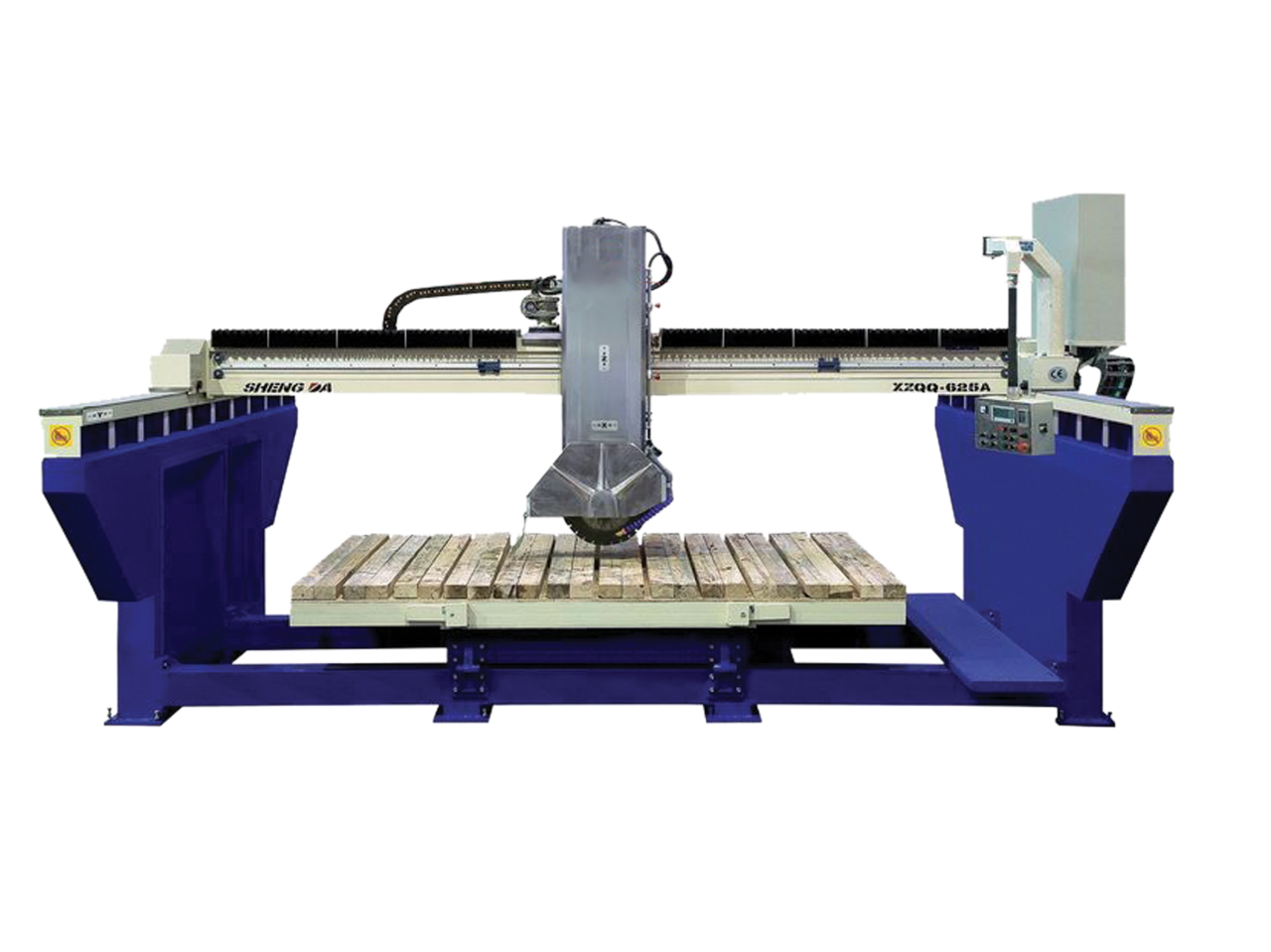
Gantry Milling Machine
The Gantry Milling Machine is one of the key and widely used pieces of equipment in stone workshops, especially for working with large slabs and thick stones. This device is used not only for cutting but also for shaping and polishing stones. Different types of gantry mills, depending on technologies and applications, help users process stones into various shapes and sizes.
Models of Gantry Milling Machines
1.Standard Gantry Milling Machine:
– Function: This model is primarily used for cutting slabs of stone with thicknesses of 2 cm or less and can process multiple layers of stone simultaneously.
– Features: It provides precise and clean cuts, significantly reducing cutting time. It is suitable for producing large stone slabs and for common stoneworking tasks.
2. Gantry Milling Machine with 5-Axis CNC Table:
– Function: This device, using a CNC table, can create complex shapes on stones. In addition to cutting, it is used for engraving, designing, and even crafting stone sculptures.
– Features: The 5-axis processing capability offers high maneuverability, allowing users to create diverse and intricate designs, such as bathtubs, decorative columns, and stone sculptures, with high precision.
3. Gantry Milling Machine with Rotary Head and Table:
– Rotary Table Milling: In this model, the stone is placed on a rotating table, and precise cuts are made with the help of the table’s rotation.
– Rotary Head Milling: In this model, the head of the machine itself has more rotation and flexibility, increasing cutting precision and adaptability in stone processing. This model is more popular due to its advanced cutting capabilities.
Applications and Benefits of the Gantry Milling Machine in Stone Workshops
– Increased Precision and Quality of Cuts:
One of the biggest advantages of the gantry milling machine is its ability to cut stones with high precision, without causing damage or cracks. This feature is particularly important when cutting delicate and expensive stones.
– Reduced Time and Costs:
The gantry milling machine can process multiple layers of stone simultaneously, which reduces time and costs in the workshop.
– Creation of Complex and Unique Shapes:
The 5-axis and CNC models of this machine allow the creation of three-dimensional and complex shapes, which is especially useful in interior decoration projects, sculpture making, and crafting decorative elements.
– Flexibility in Processing Various Types of Stones:
The gantry milling machine can work on various types of stones, including marble, travertine, granite, and different types of slabs. This feature allows stoneworkers to produce a variety of products.
Technical Features and Performance of the Gantry Milling
1. High Speed and Power:
These machines usually have powerful motors that allow for cutting hard and thick stones.
2. Adjustable Speed and Cutting Depth:
Many gantry milling machines have adjustable speed and cutting depth, allowing users to make adjustments based on the type and thickness of the stone.
3. Reduced Waste and Material Preservation:
The precise cuts made by the gantry milling machine help reduce stone waste, which is crucial for valuable and high-quality stones.
4. Increased Safety Compared to Traditional Methods:
Using advanced machinery instead of traditional methods like cranes to move stones reduces both the risk of injury and financial loss, while also increasing productivity.
Comparison of Different Gantry Milling Machine Models
While both the rotary table and rotary head models have many uses, the rotary head model is usually chosen for specific and precise projects due to its greater flexibility and accuracy. On the other hand, the rotary table model is better suited for common and simpler cutting tasks, and it can process larger stones at a faster rate.
The stone cutting gate milling is a highly versatile and advanced device in the stone industry, allowing stoneworkers to cut stones into the desired shapes and sizes with high precision and lower costs, producing high-quality products. Choosing the appropriate model depends on the type of work and the specific needs of the project, which can optimize processes and enhance productivity in stone workshops.