

Marbleite stone
Marbleite stone
A Combination of Beauty and Functionality in the Construction Industry
Marbleite stone is one of the most popular and widely used carbonate stones in the construction and decoration industries. Due to its distinctive physical and visual features, it holds a special place among building materials. In this article, we will take an in-depth look at this stone, its features, uses, advantages, and disadvantages.
Scientific Definition of Marbleite stone
According to the ASTM standard, these stones are a group of carbonate rocks that acquire a crystalline texture due to recrystallization caused by heat and pressure during metamorphism. These stones are a combination of two main minerals: calcite and dolomite:
– Calcite:
A white or colorless mineral composed of calcium carbonate, which is the main component of sedimentary rocks like limestone.
– Dolomite:
A type of sedimentary carbonate rock largely composed of a double carbonate of calcium and magnesium.
Differences Between Marble and Marbleite stone
Although these two types of stones may appear similar, they have fundamental differences in structure and resistance:
– Marbleite stone:
– A limestone and metamorphic rock formed by the pressure and temperature within the Earth’s layers.
– Less resistant compared to marble and travertine.
– Marble:
– A metamorphic rock that is much stronger.
– Usually has a more crystalline and translucent texture than marble stone and is superior in strength.
The Formation Process of Marbleite stone
Marble stone is the result of metamorphism or the transformation of limestone. This process occurs when limestone is trapped in the Earth’s inner layers and subjected to high pressure and temperature. This pressure and heat cause the minerals in the stone to recrystallize and form marble stone.
Features of Marbleite stone
Due to its unique characteristics, this stone is highly sought after in construction and decorative projects:
– Beautiful Appearance:
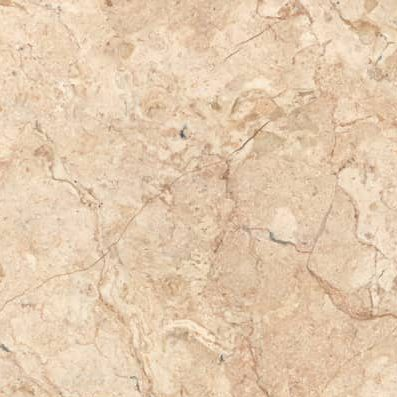
Marble stone comes in a wide range of colors, from white, cream, gray, to brown and black. The presence of natural veins enhances the visual appeal of the stone.
– Moderate Durability:
Marble stone is durable enough for use in indoor spaces, but it is not recommended for high-traffic or outdoor environments.
– High Polishability:
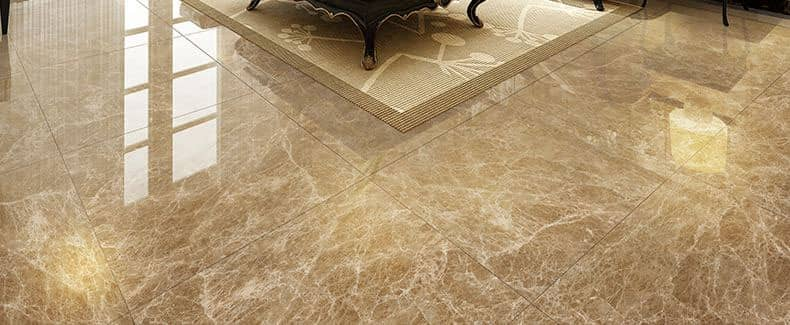
The surface of marble stone can be polished to a high gloss and transparency.
– Thermal Insulation:
Marble stone is a good thermal insulator and performs well in hot environments.
Uses of Marbleite stone
Due to its beauty and physical features, marble stone is used in various areas of the construction and interior design industries:
– Floor and Wall Coverings:
Due to its polishability and natural beauty, it is an ideal choice for floor and wall coverings in interior spaces.
– Stairs:
Used for stairs, it gives spaces a luxurious look.
– Cabinet and Countertops:
It is suitable for use in kitchens and bathrooms as cabinet and countertop surfaces.
– Interior Decorations:
Marble stone is used in the construction of columns, sculptures, and other decorative elements.
Advantages of Marbleite stone
– Aesthetic Appeal: The variety of colors and patterns has made marble stone one of the most popular choices for interior design.
– Polishability: It can be polished to create a shiny and attractive surface.
– Variety: Various types of marble stone with different characteristics are available in the market.
Disadvantages of Marbleite stone
– Lower Resistance: It is less resistant to pressure and abrasion compared to marble and granite.
– Sensitivity to Chemicals: It may stain when in contact with acids.
– Scratchability: The surface of marble stone can be scratched by sharp objects.
Important Tips for Maintaining Marbleite stone
– Regular Cleaning:
Use non-acidic cleaners to maintain the beauty and durability of the stone.
– Periodic Sealing:
To prevent moisture and stains, the stone should be sealed regularly.
– Avoiding Impact and Scratches:
Be cautious not to drag heavy or sharp objects across the surface of the stone.
Final Thoughts
Marble stone, with its combination of beauty, color variety, and extensive applications, is one of the best options for use in interior spaces. However, it is important to note that regular maintenance and care are essential to preserving the durability and beauty of this stone. Its selection can enhance the visual appeal and value of construction projects.