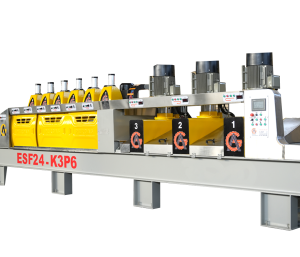
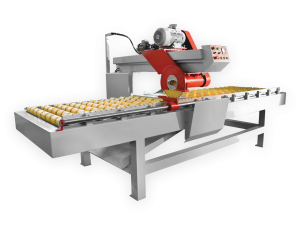
Resin Line Machine
The resin line machine is one of the essential pieces of equipment in the processing of natural and artificial stones. This machine is responsible for applying resin or epoxy to the stones, drying them, and finally preparing them for the polishing stage. The resin line machine is recognized as a key component in enhancing the strength, moisture resistance, and overall appearance of the stone. In the following sections, we will take a closer look at the functionality and components of the resin line machine.
Main Components of the Resin Line Machine
1. Stone Washing and Cleaning Unit
Before applying the resin, the stones must be thoroughly cleaned. The resin line machine includes sections that remove dust, dirt, and other contaminants from the stones. This cleaning process is typically carried out using water and mechanical brushes.
2. Resin Application System
This part of the resin line machine is designed to evenly distribute resin or epoxy on the stone surface with a specific thickness. There are two main types of resin application systems:
– Automatic Spraying: In this method, resin is automatically sprayed onto the stone surface through nozzles. The spraying speed and the amount of resin used can be adjusted by the operator.
– Blade Application: In this method, resin is spread over the stone surface using a mechanical blade to fill all cracks and surface pores.
3. Resin Penetration Unit
After the resin is sprayed or applied, the stones remain in this unit for a certain period to allow the resin to penetrate the stone. This unit may include vibration systems that help the resin seep deeper into the stone’s pores and cracks.
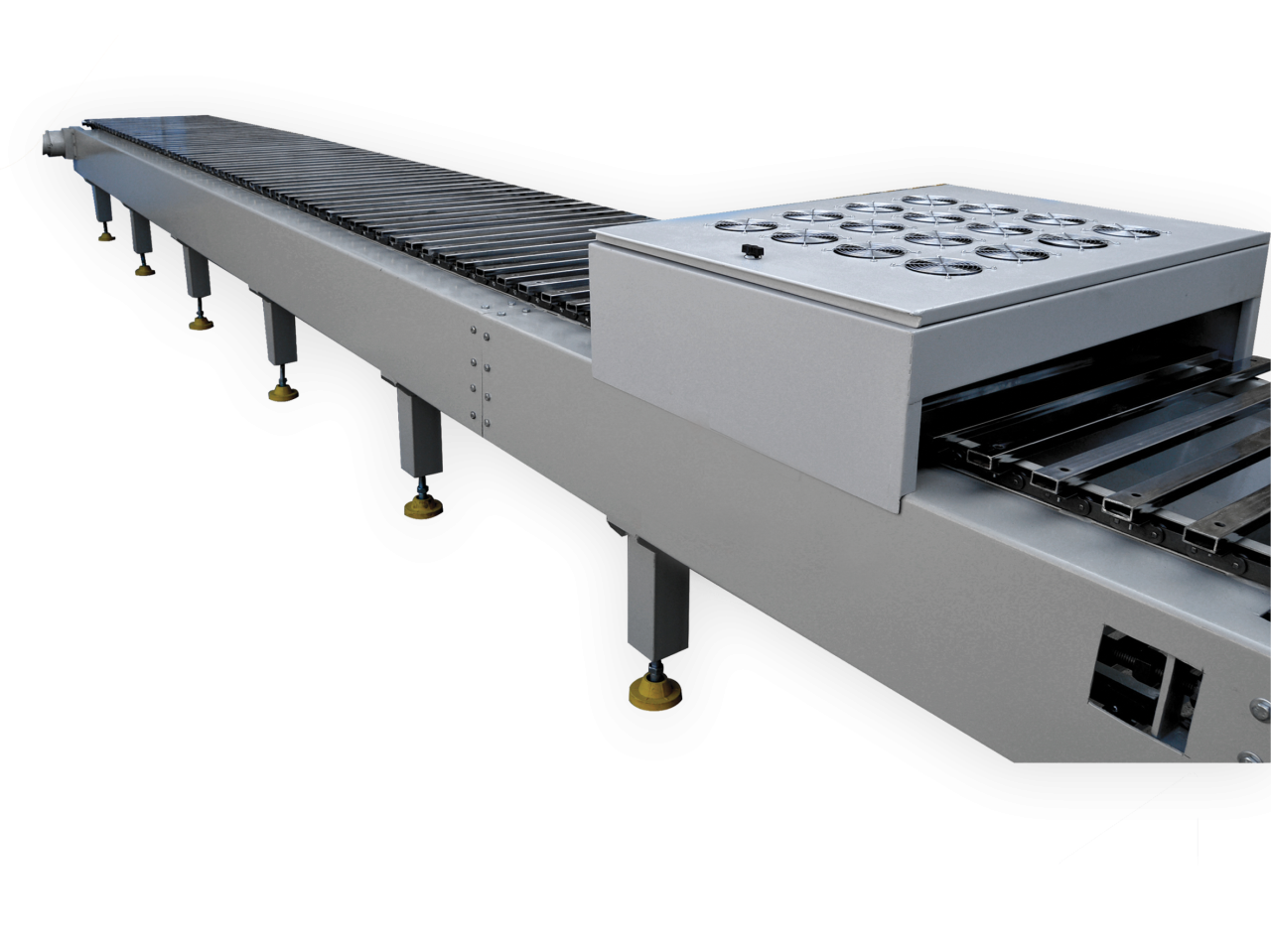
4. Drying Ovens
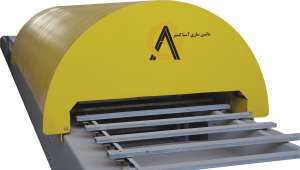
The resin line machine typically features ovens that dry and harden the resin or epoxy after application. These ovens are tunnel-shaped, and the stones pass through them continuously. The oven temperature must be carefully controlled to ensure complete curing of the resin without damaging the stone. The temperature settings vary depending on the type of resin and stone, usually ranging from 60 to 120 degrees Celsius.
5. Cooling Systems
After exiting the oven, the stones must be cooled to ensure the resin is fully set. Advanced machines feature cooling systems that rapidly cool the stones, preparing them for the next stage—polishing and finishing.
6. Polishing Unit
Once the resin is dried and the stones have cooled, the resin line machine includes sections for polishing and final finishing. This section uses polishing discs and pads to smooth and shine the stone surfaces. Polishing enhances the aesthetic appeal of the stone and increases its resistance to wear.
Types of Resin Line Machines
1. Semi-Automatic Resin Line Machines
In semi-automatic machines, some processes require manual control. For example, operators may need to manually position stones or adjust machine settings at each stage.
2. Fully Automatic Resin Line Machines
In fully automatic machines, all stages, from washing to resin application and drying, are performed automatically without operator intervention. These machines are equipped with advanced sensors and control systems that precisely regulate the amount of resin used and the speed of each process.
3. Multi-Layer Resin Line Machines
These machines are used for stones that require multiple layers of resin. After applying and drying one layer, another layer is applied to completely fill deeper cracks and pores.
Technical Features of Resin Line Machines
– Production Capacity: Resin line machines are classified based on their production capacity. Some machines can process up to 1,000 square meters of stone per day, while larger industrial machines have even higher capacities.
– Adjustable Temperature and Speed: The oven temperature and stone movement speed within the machine can be adjusted. This feature allows operators to optimize settings based on the type of stone and resin used.
– Energy Consumption: Modern resin line machines incorporate energy-efficient technologies in ovens and cooling systems, reducing power consumption and increasing efficiency.
Advantages of Using Resin Line Machines
– Improved Stone Quality: Resin line machines significantly enhance the quality of stones by filling surface cracks and pores, making the stones more resistant to environmental factors.
– Increased Production Speed: Fully automatic resin line machines accelerate production and streamline stone processing with minimal operator involvement.
– Cost Reduction: Using resin line machines reduces the need for stone repairs and maintenance, leading to lower production and maintenance costs.
Applications of Resin Line Machines in Various Industries
Resin line machines are widely used in industries such as building and decorative stone processing, ceramic and tile manufacturing, and even in some composite material industries. Due to their ability to enhance durability and aesthetics, these machines are highly valued in large-scale architectural and construction projects.